Turning fragmented lead-source data into trustworthy attribution
Rebuilt a 200+ value lead-source taxonomy, automated assignment logic, and embedded governance into campaign intake to make funnel reporting trustworthy across inbound, outbound, partner, and referral motions.
Led strategy, taxonomy design, stakeholder alignment, governance model, implementation requirements, QA approach, documentation, and enablement in partnership with marketing and sales operations teams.
The problem
Marketing and sales leadership could not answer basic attribution questions: which channels created pipeline, which partners drove qualified leads, and which programs deserved further investment.
Context
The organization had accumulated more than 200 legacy lead-source values across systems. Definitions were inconsistent, source assignment was unreliable, and funnel reporting could not be trusted across inbound, outbound, partner, and referral motions.
Illustrative diagram
- 01200+ fragmented source values
- 02Inconsistent assignment logic
- 03Unreliable funnel reporting
- 01Governed source taxonomy
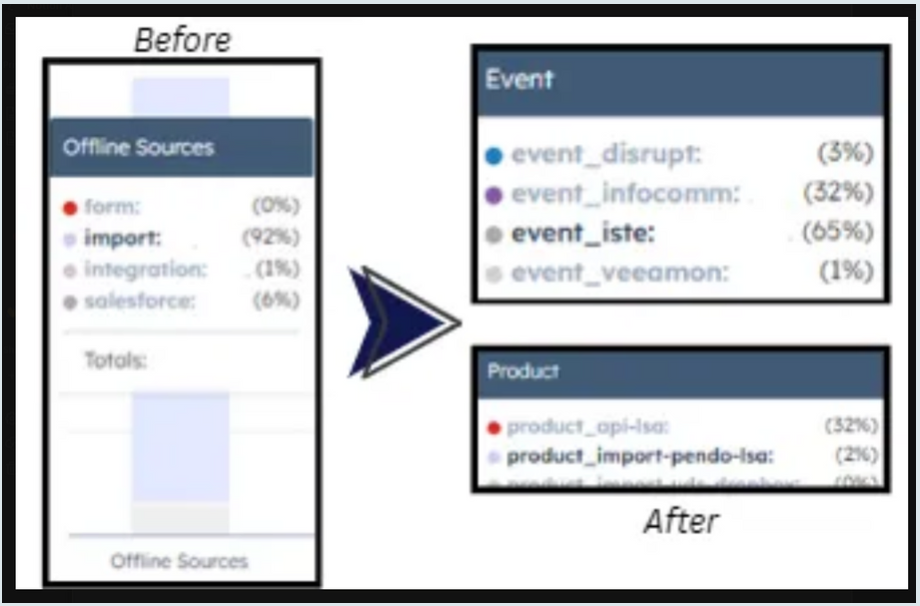
- 02Automated assignment logic
- 03Consistent source data across systems
- 04Trusted funnel and channel insights
What I did
How I approached it
- 01Audited 200+ legacy source valuesMapped across every marketing and CRM system holding them.
- 02Interviewed the source ownersChannel, partner, and campaign owners, to surface what each source was actually meant to capture.
- 03Grouped into a governed hierarchyTied to funnel and reporting requirements rather than history.
What I built
Supporting materials
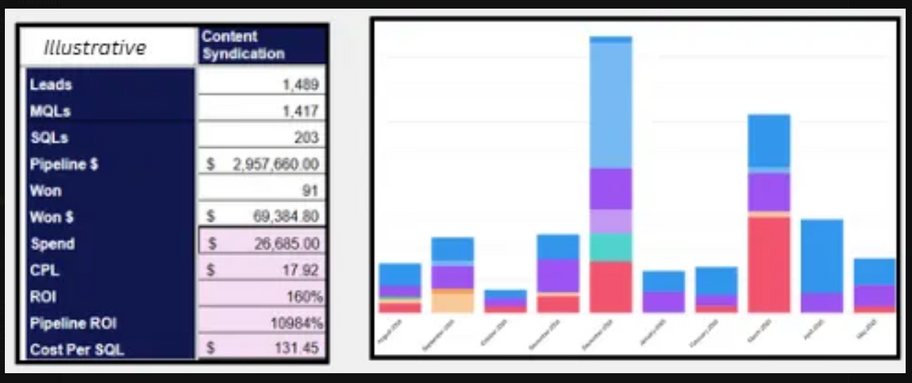
Channel economics
Diagrams and figures are representative. Proprietary architecture, internal system names, and confidential customer details are omitted or generalized.